
 Banana Punk Rawk Trails: A Euro-Fool’s Metal Punk Journeys in Malaysia, Borneo and Indonesia

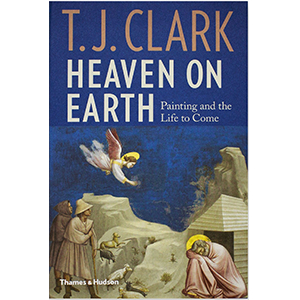
Heaven on Earth: Painting and the Life to Come
The idea of heaven on earth haunts the human imagination. The day will come, say believers, when the pain and confusion of mortal life will give way to a transfigured community. Such a vision of the world seems indelible. Even politics, some reckon, has not escaped from the realm of the sacred: its dreams of the future still borrow their imagery from the prophets. In Heaven on Earth, T. J. Clark sets out to investigate the very different ways painting has given form to the dream of God’s kingdom come. He goes back to the late Middle Ages and Renaissance – to Giotto in Padua, Bruegel facing the horrors of religious war, Poussin painting the Sacraments, Veronese unfolding the human comedy. Was it to painting’s advantage, is Clark’s question, that in an age of enforced orthodoxy (threats of hellfire, burnings at the stake) artists could reflect on the powers and limitations of religion without putting their thoughts into words?
At the heart of the book stands Bruegel’s ironic but tender picture of The Land of Cockaigne, but also Veronese’s inscrutable Allegory of Love. The story ends with Picasso’s Fall of Icarus, made for UNESCO in 1958, which already seems to signal – perhaps to prescribe – an age when all futures are dead.
RM139.90
Out of stock
Description
The idea of heaven on earth haunts the human imagination. The day will come, say believers, when the pain and confusion of mortal life will give way to a transfigured community. Such a vision of the world seems indelible. Even politics, some reckon, has not escaped from the realm of the sacred: its dreams of the future still borrow their imagery from the prophets. In Heaven on Earth, T. J. Clark sets out to investigate the very different ways painting has given form to the dream of God’s kingdom come. He goes back to the late Middle Ages and Renaissance – to Giotto in Padua, Bruegel facing the horrors of religious war, Poussin painting the Sacraments, Veronese unfolding the human comedy. Was it to painting’s advantage, is Clark’s question, that in an age of enforced orthodoxy (threats of hellfire, burnings at the stake) artists could reflect on the powers and limitations of religion without putting their thoughts into words?
At the heart of the book stands Bruegel’s ironic but tender picture of The Land of Cockaigne, but also Veronese’s inscrutable Allegory of Love. The story ends with Picasso’s Fall of Icarus, made for UNESCO in 1958, which already seems to signal – perhaps to prescribe – an age when all futures are dead.
Publisher: Thames & Hudson
Hardback
2018
ISBN: 9780500021385
Related products
-

Bamboo In China: Arts, Crafts And A Cultural History
Bamboo has been used for thousands of years in China With its many tributes and strengths, bamboo was blended into China's Confucian, Buddhist and...RM53.00 -

Daido Moriyama (Photofile)
A new title in this accessible and affordable photography series Daido Moriyama first came to prominence in the mid-1960s with his gritty...RM66.00 -

Walker Evans (Photofile)
The classic Photofile series brings together the best work of the world's greatest photographers in an attractive format and at a reasonable...RM58.50 -

Bill Brandt (Photofile)
Bill Brandt is one of seven new titles being published this spring in Thames & Hudsons acclaimed Photofile series Each book brings together the...RM59.90