
 Dancing on Thin Ice
 The A to Z of Malaysia
 This Earth of Mankind
 Sun Yat Sen In Penang
 Hope Not Hype: The Future Of Agriculture Guided By The International Assessment Of Agriculture Knowledge, Science And Technology For Development
 Ask For No Bullshit, Get Some More!
 Pembentukan Jiwa
 Child of All Nations
 Sea Of Poppies
 Penang: The Fourth Presidency of India 1805–1830, Vol. 1: Ships, Men and Mansions
 Less than One: Selected Essays
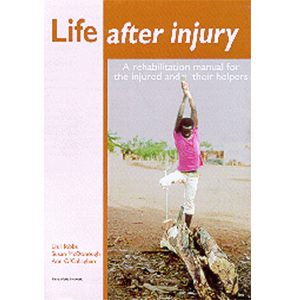 Life After Injury: A Rehabilitation Manual For The injured And Their Helpers
 The Farming of Bones
 CultureShock! Borneo: A Survival Guide To Customs And Etiquette
 The Calcutta Chromosome
 House of Glass
 Biopiracy Watch: A Compilation Of Some Recent Cases (2013)
 Dancing The Malaysian
 Tall Tree, Nest of the Wind (The Javanese Shadow-play Dewa Ruai Performed by Ki Anom Soeroto) : A Study in Performance Philology
 Senyumlah 3
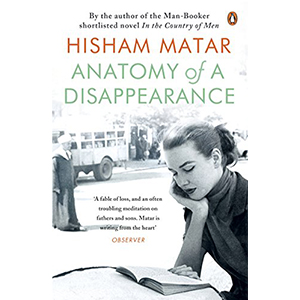 Anatomy of a Disappearance
 Last Friends
 Inspector Singh Investigates: A Calamitous Chinese Killing
 The English Concubine
 Akira Kurosawa
 Bringing History to Life through Film: The Art of Cinematic Storytelling


Bollywood’s India : A Public Fantasy
Bollywood is India’s most popular entertainment and one of its most powerful social forces. Its blockbusters contest ideas about state formation, capture the nation’s dispersed anxieties, and fabricate public fantasies of what constitutes “India.” Written by an award-winning scholar of popular culture and postcolonial modernity, Bollywood’s India analyzes the role of the cinema’s most popular blockbusters in making, unmaking, and remaking modern India. With dazzling interpretive virtuosity, Priya Joshi provides an interdisciplinary account of popular cinema as a space that filters politics and modernity for its viewers. Themes such as crime and punishment, family and individuality, vigilante and community capture the diffuse aspirations of an evolving nation. Summoning India’s tumultuous 1970s as an interpretive lens, Joshi reveals the cinema’s social work across decades that saw the decline of studios, the rise of the multi-starrer genre, and the arrival of corporate capital and new media platforms. In elegantly crafted studies of iconic and less familiar films, including Awara (1951), Ab Dilli Dur Nahin (1957), Deewaar (1975), Sholay (1975), Dil Se (1998), A Wednesday (2008), and 3 Idiots (2009), Joshi powerfully conveys the pleasures and politics of Bollywood blockbusters.
RM138.00
1 in stock
Description
Bollywood is India’s most popular entertainment and one of its most powerful social forces. Its blockbusters contest ideas about state formation, capture the nation’s dispersed anxieties, and fabricate public fantasies of what constitutes “India.” Written by an award-winning scholar of popular culture and postcolonial modernity, Bollywood’s India analyzes the role of the cinema’s most popular blockbusters in making, unmaking, and remaking modern India. With dazzling interpretive virtuosity, Priya Joshi provides an interdisciplinary account of popular cinema as a space that filters politics and modernity for its viewers. Themes such as crime and punishment, family and individuality, vigilante and community capture the diffuse aspirations of an evolving nation. Summoning India’s tumultuous 1970s as an interpretive lens, Joshi reveals the cinema’s social work across decades that saw the decline of studios, the rise of the multi-starrer genre, and the arrival of corporate capital and new media platforms. In elegantly crafted studies of iconic and less familiar films, including Awara (1951), Ab Dilli Dur Nahin (1957), Deewaar (1975), Sholay (1975), Dil Se (1998), A Wednesday (2008), and 3 Idiots (2009), Joshi powerfully conveys the pleasures and politics of Bollywood blockbusters.
Publisher: Columbia University Press
Paperback
2015
ISBN: 9780231169615
Related products
-

Bollywood: Gods, Glamour and Gossip (Short Cuts)
While we have become familiar with the idea of "Bollywood" here in the West, we know little about the industry's films beyond a certain celebration...RM83.00 -

A Century of Thai Cinema
Thais began shooting films in 1900; cinema soon became a very popular form of entertainment, which had its golden age in the 1930s This book provides...RM120.00 -
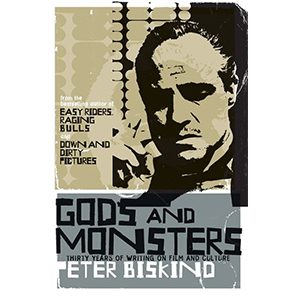
Gods and Monsters: Thirty Years of Writing on Film and Culture
Here is Hollywood over the last three decades - the superfreaks, lowlifes, charlatans, and the occasional geniuses who have left their bite marks on...RM104.90 -

Photography and Cinema
What did the arrival of cinema do for photography How did the moving image change our relation to the still image Why have cinema and photography...RM139.50