
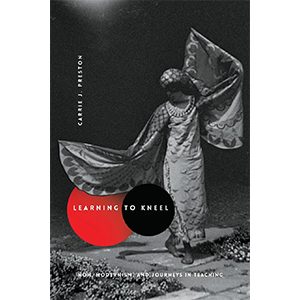
 Learning to Kneel: Noh, Modernism, and Journeys in Teaching
 Footsteps
 China: From Mao to Modernity
 Lee Joo For Retrospective
 The Children Of Dynmouth
 Child of All Nations
 Sudden Superstar
 Sea Of Poppies
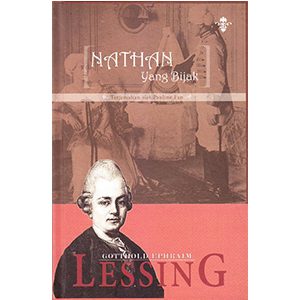 Nathan Yang Bijak
 The Chulia in Penang: Patronage and Place-Making around the Kapitan Kling Mosque, 1786–1957
 60 Tahun Ekonomi Pasaran Sosial
 The Elections Bullshit
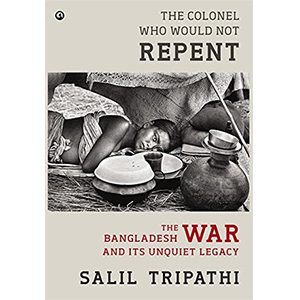 The Colonel Who Would Not Repent: The Bangladesh War and Its Unquiet Legacy
 Blogging And Democratization In Malaysia: A New Civil Society In The Making
 Dogs at the Perimeter
 This Earth of Mankind
 Descending Dragon, Rising Tiger: A History of Vietnam
 The A to Z of Malaysia
 Dancing The Malaysian
 The Farming of Bones
 House of Glass


Imperial Connections: India In The Indians Ocean Arena, 1860-1920
An innovative remapping of empire, Imperial Connections offers a broad-ranging view of the workings of the British Empire in the period when the India of the Raj stood at the center of a newly globalized system of trade, investment, and migration. Thomas R. Metcalf argues that India itself became a nexus of imperial power that made possible British conquest, control, and governance across a wide arc of territory stretching from Africa to eastern Asia. His book, offering a new perspective on how imperialism operates, emphasizes transcolonial interactions and webs of influence that advanced the interests of colonial India and Britain alike.
Metcalf examines such topics as law codes and administrative forms as they were shaped by Indian precedents; the Indian Army’s role in securing Malaya, Africa, and Mesopotamia for the empire; the employment of Indians, especially Sikhs, in colonial policing; and the transformation of East Africa into what was almost a province of India through the construction of the Uganda railway. He concludes with a look at the decline of this Indian Ocean system after 1920 and considers how far India’s participation in it opened opportunities for Indians to be a colonizing as well as a colonized people.
RM110.00
Out of stock
Description
An innovative remapping of empire, Imperial Connections offers a broad-ranging view of the workings of the British Empire in the period when the India of the Raj stood at the center of a newly globalized system of trade, investment, and migration. Thomas R. Metcalf argues that India itself became a nexus of imperial power that made possible British conquest, control, and governance across a wide arc of territory stretching from Africa to eastern Asia. His book, offering a new perspective on how imperialism operates, emphasizes transcolonial interactions and webs of influence that advanced the interests of colonial India and Britain alike.
Metcalf examines such topics as law codes and administrative forms as they were shaped by Indian precedents; the Indian Army’s role in securing Malaya, Africa, and Mesopotamia for the empire; the employment of Indians, especially Sikhs, in colonial policing; and the transformation of East Africa into what was almost a province of India through the construction of the Uganda railway. He concludes with a look at the decline of this Indian Ocean system after 1920 and considers how far India’s participation in it opened opportunities for Indians to be a colonizing as well as a colonized people.
Publisher: University Of California Press
Paperback
2008
ISBN: 9780520258051
Related products
-

We Could **** You, Mr Birch
We Could You, Mr Birch has as its central premise a subject of great relevance to Malaysians – an episode from history, the killing of JWW Birch,...RM15.00 -

Penang: The Fourth Presidency of India 1805–1830, Vol. 1: Ships, Men and Mansions
A little over two centuries ago, Penang became the fourth most important settlement – a presidency – of the British East India Company’s Indian...RM150.00 -

The Malayan Life Of Ferdach O’ Haney
It is 1950 and the Federation of Malaya is in the throes of the Malayan Emergency The British are struggling to defeat the communist terrorists and...RM39.90 -

Year Zero: A History of 1945
A marvellous global history of the pivotal year 1945 as a new world emerged from the ruins of the Second World War Year Zero is a landmark...RM74.90