
 Researching Society and Social Relations in Sarawak
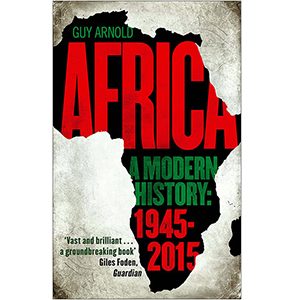 Africa: A Modern History
 A Tokyo Romance: A Memoir
 Leadership Mentoring In Education: The Singapore Practice
 Adventures in the Anthropocene: A Journey to the Heart of the Planet We Made
 A New Sun Rises Over the Old Land: A Novel of Sihanoukõs Cambodia
 The Chulia in Penang: Patronage and Place-Making around the Kapitan Kling Mosque, 1786–1957
 Americanah
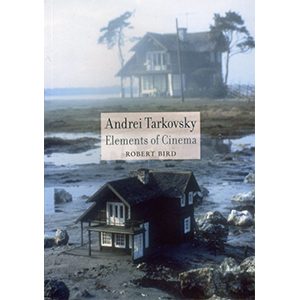 Andrei Tarkovsky: Elements of Cinema
 Hope Not Hype: The Future Of Agriculture Guided By The International Assessment Of Agriculture Knowledge, Science And Technology For Development
 Where There Are No Pharmacists: A Guide To Managing Medicines For All Health Workers
 Dancing on Thin Ice
 Excavations, Interrogations, Krishen Jit & Contemporary Malaysian Theatre
 Banana Punk Rawk Trails: A Euro-Fool’s Metal Punk Journeys in Malaysia, Borneo and Indonesia
 Gods and Monsters: Thirty Years of Writing on Film and Culture
 The Naive and The Sentimental Novelist: Understanding What Happens When We Write and Read Novels
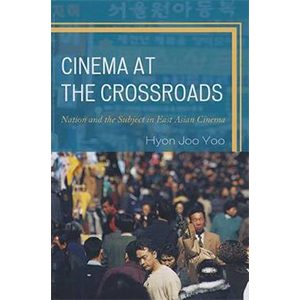 Cinema at the Crossroads: Nation and the Subject in East Asian Cinema


Afghanistan: A History from 1260 to the Present
Located at the intersection of Asia and the Middle East, Afghanistan has been strategically important for thousands of years. Its ancient trade routes and strategic position between India, Inner Asia, China, Persia and beyond has meant the region has been subject to frequent invasions. Modern Afghanistan is a culturally and ethnically diverse country, but one divided by conflict, political instability and by mass displacements of its people.
Jonathan L. Lee places the current conflict in Afghanistan in its historical context and challenges many of the West’s preconceived ideas about the country. Lee chronicles the region’s monarchic rules and the Durrani dynasty, focusing on the reigns of each ruler and their efforts to balance tribal, ethnic, regional and religious factions, moving on to the struggle for social and constitutional reform and the rise of Islamic and Communist factions. He offers new cultural and political insights from Persian histories, the memoirs of Afghan government officials, British government and India Office archives, recently released CIA reports and WikiLeaks documents. Lee also sheds new light on the country’s foreign relations, its internal power struggles and the impact of foreign military interventions such as the ‘War on Terror’.
RM202.50
Out of stock
Description
Located at the intersection of Asia and the Middle East, Afghanistan has been strategically important for thousands of years. Its ancient trade routes and strategic position between India, Inner Asia, China, Persia and beyond has meant the region has been subject to frequent invasions. Modern Afghanistan is a culturally and ethnically diverse country, but one divided by conflict, political instability and by mass displacements of its people.
Jonathan L. Lee places the current conflict in Afghanistan in its historical context and challenges many of the West’s preconceived ideas about the country. Lee chronicles the region’s monarchic rules and the Durrani dynasty, focusing on the reigns of each ruler and their efforts to balance tribal, ethnic, regional and religious factions, moving on to the struggle for social and constitutional reform and the rise of Islamic and Communist factions. He offers new cultural and political insights from Persian histories, the memoirs of Afghan government officials, British government and India Office archives, recently released CIA reports and WikiLeaks documents. Lee also sheds new light on the country’s foreign relations, its internal power struggles and the impact of foreign military interventions such as the ‘War on Terror’.
Publisher: Reaktion Books
Hardback
2018
ISBN: 9781789140101
Related products
-

Honour
From award-winning writer Elif Shafak, the Orange Prize long-listed author of The Forty Rules of Love and The Architect's Apprentice, Honour is a...RM49.50 -
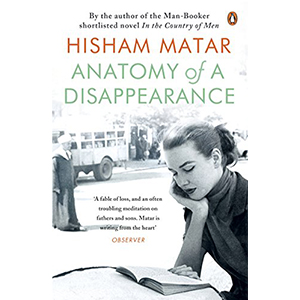
Anatomy of a Disappearance
In Egypt, Nuri, a teenage boy, falls in love with Mona - the woman his father will marry Consumed with longing, Nuri wants to get his father out of...RM57.50 -
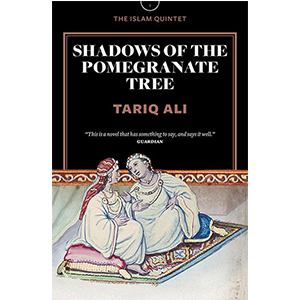
Shadows of the Pomegranate Tree
Tariq Ali tells us the story of the aftermath of the fall of Granada by narrating a family sage of those who tried to survive after the collapse of...RM60.00 -

The Conference of the Birds
Composed in the twelfth century in north-eastern Iran, Attar's great mystical poem is among the most significant of all works of Persian literature A...RM60.50