
 Dancing on Thin Ice
 The A to Z of Malaysia
 This Earth of Mankind
 Sun Yat Sen In Penang
 Hope Not Hype: The Future Of Agriculture Guided By The International Assessment Of Agriculture Knowledge, Science And Technology For Development
 Ask For No Bullshit, Get Some More!
 Child of All Nations
 Sea Of Poppies
 Penang: The Fourth Presidency of India 1805–1830, Vol. 1: Ships, Men and Mansions
 The Chulia in Penang: Patronage and Place-Making around the Kapitan Kling Mosque, 1786–1957


The Crucible of Islam
Little is known about Arabia in the sixth century CE. Yet from this distant time and place emerged a faith and an empire that stretched from the Iberian peninsula to India. Today, Muslims account for nearly a quarter of the global population. G. W. Bowersock seeks to illuminate this most obscure and yet most dynamic period in the history of Islam—from the mid-sixth to mid-seventh century—exploring why arid Arabia proved to be such fertile ground for Muhammad’s prophetic message, and why that message spread so quickly to the wider world.
In Muhammad’s time Arabia stood at the crossroads of great empires, a place where Christianity, Judaism, and local polytheistic traditions vied for adherents. Mecca, Muhammad’s birthplace, belonged to the part of Arabia recently conquered by the Ethiopian Christian king Abraha. But Ethiopia lost western Arabia to Persia following Abraha’s death, while the death of the Byzantine emperor in 602 further destabilized the region. Within this chaotic environment, where lands and populations were traded frequently among competing powers and belief systems, Muhammad began winning converts to his revelations. In a troubled age, his followers coalesced into a powerful force, conquering Palestine, Syria, and Egypt and laying the groundwork of the Umayyad Caliphate.
The crucible of Islam remains an elusive vessel. Although we may never grasp it firmly, Bowersock offers the most detailed description of its contours and the most compelling explanation of how one of the world’s great religions took shape.
RM100.00
Out of stock
Description
Little is known about Arabia in the sixth century CE. Yet from this distant time and place emerged a faith and an empire that stretched from the Iberian peninsula to India. Today, Muslims account for nearly a quarter of the global population. G. W. Bowersock seeks to illuminate this most obscure and yet most dynamic period in the history of Islam—from the mid-sixth to mid-seventh century—exploring why arid Arabia proved to be such fertile ground for Muhammad’s prophetic message, and why that message spread so quickly to the wider world.
In Muhammad’s time Arabia stood at the crossroads of great empires, a place where Christianity, Judaism, and local polytheistic traditions vied for adherents. Mecca, Muhammad’s birthplace, belonged to the part of Arabia recently conquered by the Ethiopian Christian king Abraha. But Ethiopia lost western Arabia to Persia following Abraha’s death, while the death of the Byzantine emperor in 602 further destabilized the region. Within this chaotic environment, where lands and populations were traded frequently among competing powers and belief systems, Muhammad began winning converts to his revelations. In a troubled age, his followers coalesced into a powerful force, conquering Palestine, Syria, and Egypt and laying the groundwork of the Umayyad Caliphate.
The crucible of Islam remains an elusive vessel. Although we may never grasp it firmly, Bowersock offers the most detailed description of its contours and the most compelling explanation of how one of the world’s great religions took shape.
Publisher: Harvard University Press
Paperback
2019
ISBN: 9780674237728
Related products
-

Pembentukan Jiwa
Dalam diri manusia ada seketul darah, bila baik ia, maka baiklah seluruh jasad, bila rosak ia, maka rosaklah seluruh jasad Masa muda itu tidak...RM16.00 -

Senyumlah 3
Dalam siri Senyumlah 3 ini, saya mengemukakan pelbagai kisah yang bertujuan untuk memberi pengajaran serta mengambil manfaat dari kisah tersebut...RM18.00 -

Muslim Spaces Of Hope: Geographies As Possibility In Britain And The West
Debates about contemporary Islam and Muslims in the West have taken some negative turns in the depressing atmosphere of the war on terror and its...RM110.00 -
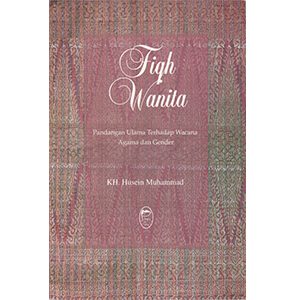
Fiqh Wanita: Pandangan Ulama Terhadap Wacana Agama Dan Gender
Melalui buku ini, kita diberi kesedaran tentang betapa luasnya cakerawala lautan ilmu fiqh Sebagai seorang yang memiliki latar belakang tradisi kitab...RM25.00